
Dried Poppies: The Complete Guide to Styling, Uses, and Care for Timeless Home Decor
Dried poppies have become a favourite among florists, interior designers, and home stylists looking for natural elements that deliver structure and longevity. Unlike fresh flowers that fade within days, dried poppies offer sculptural form, subtle colour, and the ability to last for months or even years. Whether you are creating permanent home displays, wedding installations, or seasonal arrangements, understanding how to work with dried poppies can elevate your designs significantly.
This complete guide covers what dried poppies are, their main benefits, creative ways to style them, proper care, and practical advice for choosing high-quality stems.
What Are Dried Poppies?
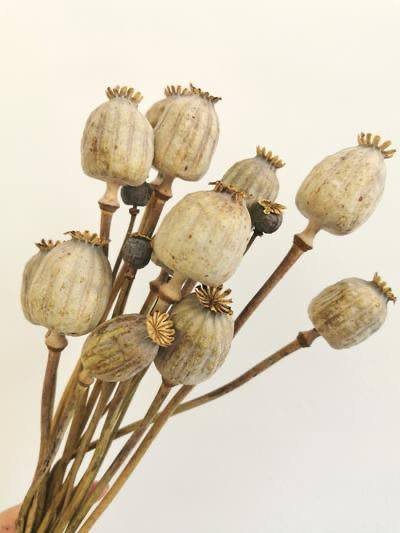
When people search for dried poppies in the context of floristry and home décor, they are almost always referring to the dried seed heads (also called poppy heads or poppy pods) rather than dried petals. After the colourful petals of the poppy fall away, the plant produces a firm, rounded capsule topped with a distinctive ridged or star-shaped crown. These capsules are harvested at maturity and carefully air-dried until they become woody and stable.
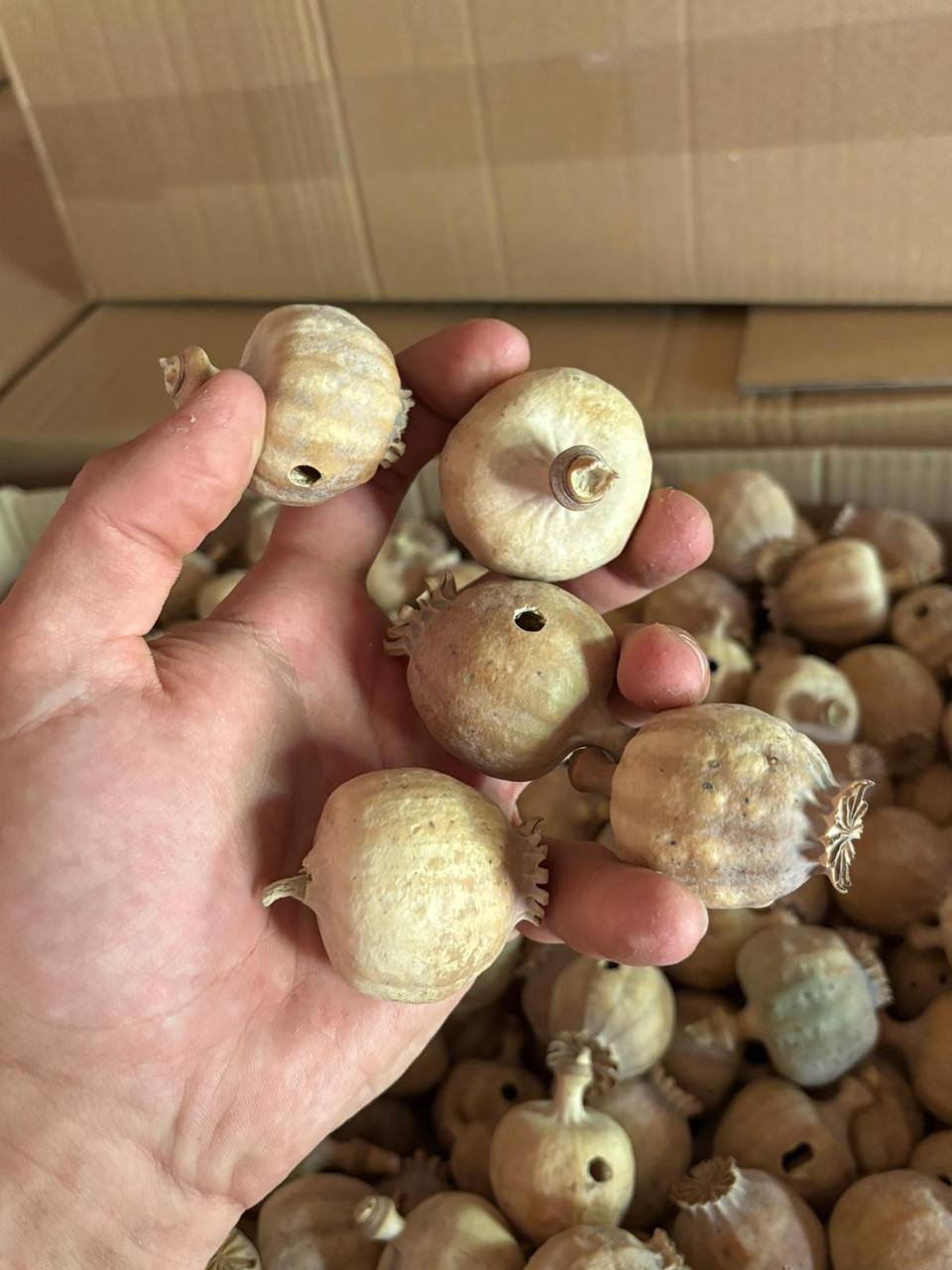
The resulting dried poppies display natural variations in size and colour — ranging from soft tan and golden beige to muted slate-blue and grey-brown tones. Smaller heads work well in detailed work such as wreaths, while larger and giant heads create bold architectural statements in floor vases and large arrangements.
Because they are fully dried, these stems require no water and maintain their shape far longer than most other botanical materials.
Why Choose Dried Poppies for Your Arrangements?
Dried poppies offer several clear advantages that make them popular for both professional and home use:
- Exceptional longevity — Properly dried and stored stems can last for years.
- Strong visual structure — Their solid, rounded form adds weight and balance to softer materials like grasses, pampas, or eucalyptus.
- Low maintenance — No watering, no wilting, and minimal upkeep required.
- Neutral, versatile palette — Earthy tones suit rustic, modern, Scandinavian, bohemian, and minimalist interiors.
- Textural interest — The smooth body combined with the ridged crown creates natural contrast and depth.
- Year-round availability — Once dried, they are not limited by seasonal flowering periods.
- Sustainable choice — They reduce the need for frequent replacement of fresh flowers.
These qualities make dried poppies particularly valuable for permanent installations, commercial spaces, and anyone who wants arrangements that continue to look intentional over time.
Creative Ways to Style Dried Poppies
1. Minimalist Vase Arrangements
One of the most effective ways to showcase dried poppies is also the simplest. Place an odd number of stems (three, five, or seven) of varying heights in a tall, narrow-necked vase or ceramic jug. This clean presentation allows the sculptural quality of the heads to stand out. Mixing different sizes creates visual rhythm without overcrowding the arrangement.
2. Mixed Dried Flower Bouquets
Dried poppies excel as structural anchors in mixed dried arrangements. Pair them with softer elements such as dried grasses, oats, wheat, or eucalyptus. Position the larger heads lower or mid-way in the design so they provide a visual base while airier materials rise above them.
3. Wreaths and Wall Decor
Smaller dried poppies are ideal for wiring into wreaths. Their relatively light weight means they will not distort the base. They add texture and interest to autumn and winter wreaths, and they can also be incorporated into wall hangings or botanical shadow boxes for a more permanent display.
4. Wedding and Event Styling
Dried poppies suit rustic, bohemian, and contemporary wedding themes. Use them in bridal bouquets for texture, in table centrepieces for height, or as aisle markers. Because they do not wilt, they perform well across multi-day events and can often be repurposed afterwards.
5. Everyday Home Accents
Beyond formal arrangements, dried poppies work well as everyday styling elements. Cluster a few stems on a tray with candles, place them under a glass cloche, or use individual heads as table scatter. Their muted tones blend easily with books, ceramics, and natural materials.
How to Care for Dried Poppies
Dried poppies are among the easiest botanical materials to maintain, but a few simple practices help preserve their appearance:
- Keep them out of direct sunlight to prevent gradual fading.
- Avoid high-humidity environments, which can encourage mould or softening of the stems.
- Dust gently with a soft brush or a low-suction vacuum attachment when needed.
- Handle stems by the stalk rather than the head to reduce the risk of damage.
- Store unused stems upright in a cool, dry place or in a sealed container with a desiccant if storing for extended periods.
With basic care, high-quality dried poppies retain their form and colour for a very long time.
Dried Poppies vs Fresh Poppies
Fresh poppies deliver soft petals and vibrant colour but typically last only three to seven days in a vase. They require careful conditioning and regular water changes. Dried poppies, by contrast, trade petal colour for structure, texture, and longevity. Fresh stems suit temporary, romantic arrangements, while dried poppies are the better choice when you need something that continues to look good for months. Many designers use both — fresh for short-term impact and dried for lasting installations.
What to Look for When Buying Dried Poppies
Quality varies between suppliers. When selecting dried poppies, prioritise the following:
- Firm, fully dried capsules with intact crowns
- Natural colour variation rather than overly uniform or heavily dyed stems (unless a specific colour is required)
- Clean stems free from excessive dust or debris
- Consistent sizing within the grade you choose (small, medium, large, or giant)
- Reputable sellers who specialise in dried botanicals and provide clear product information
Buying from specialists usually yields better results than generic sources, especially when reliability of shape and colour matters for professional work.
Final Thoughts
Dried poppies bring a rare combination of architectural form and organic softness to floral design and home styling. Their ability to last, their textural quality, and their versatile neutral palette make them a practical and visually rewarding choice for anyone who values arrangements that endure.
Whether you are designing a simple statement vase, building a full wedding installation, or adding quiet interest to everyday interiors, dried poppies reward thoughtful use with beauty that continues long after fresh flowers have faded. Start with a small selection of mixed sizes, observe how they interact with light and other materials in your space, and build from there. The results are often more lasting — and more striking — than expected.