
Best Dried Flowers for Wreaths: Top Choices for Long-Lasting, Beautiful Designs
Creating a dried flower wreath is one of the most rewarding ways to bring natural texture and lasting colour into your home. Unlike fresh flowers, the right dried materials keep their shape and appearance for months or even years when chosen carefully. Not every flower dries equally well for wreath-making, however. Some hold colour and form brilliantly, while others become brittle or fade quickly.
Below are the best dried flowers and botanicals for wreaths, based on durability, visual impact, ease of use, and how well they perform once wired or attached to a base.
1. Strawflowers (Helichrysum)
Strawflowers are widely regarded as one of the strongest performers for dried wreaths. Their papery bracts retain colour exceptionally well and resist fading better than most other blooms. Available in rich shades of burgundy, gold, ivory, orange, and pink, they add bright focal points without looking artificial. They are firm enough to wire easily and hold their shape through humidity changes better than softer flowers.
2. Lavender
Lavender is a classic choice for good reason. The flower spikes keep their soft purple-grey colour and continue to release a subtle fragrance long after drying. Stems remain relatively pliable, making them easy to work into wreath bases. Lavender pairs beautifully with both rustic and minimalist designs and works especially well in smaller or more refined wreaths.
3. Statice
Statice offers excellent colour retention in shades of purple, pink, white, and yellow. Its clustered florets add delicate volume without adding much weight, which is important when building a balanced wreath. It is highly colourfast and holds up well even in slightly more humid indoor conditions.
4. Eucalyptus
Eucalyptus provides the soft greenery foundation that many successful dried wreaths rely on. Varieties such as silver dollar or baby blue eucalyptus retain a pleasant muted tone and a slight sheen. The stems are flexible enough for shaping yet strong enough to support other materials. It creates a cohesive base that ties other elements together.
5. Hydrangea
Dried hydrangeas deliver volume and a soft, romantic quality that few other flowers match. When dried properly, the large flower heads keep their structure and shift into beautiful antique greens, blues, blushes, or creamy neutrals. They work best as larger focal clusters rather than being used throughout the entire wreath.
6. Gomphrena (Globe Amaranth)
These small, rounded blooms are excellent fillers and accents. They dry with strong colour retention and a firm texture that stands up well to handling. Available in vibrant reds, pinks, purples, and whites, gomphrena adds cheerful dots of colour without overwhelming the design.
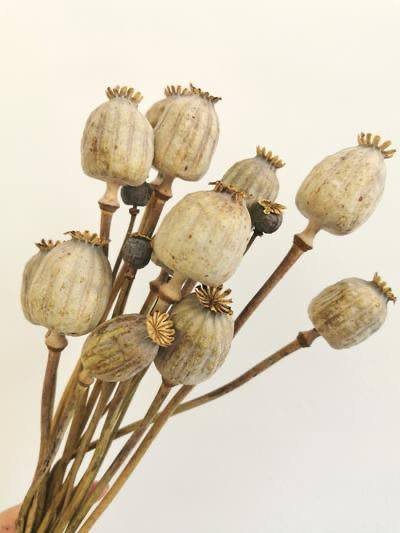
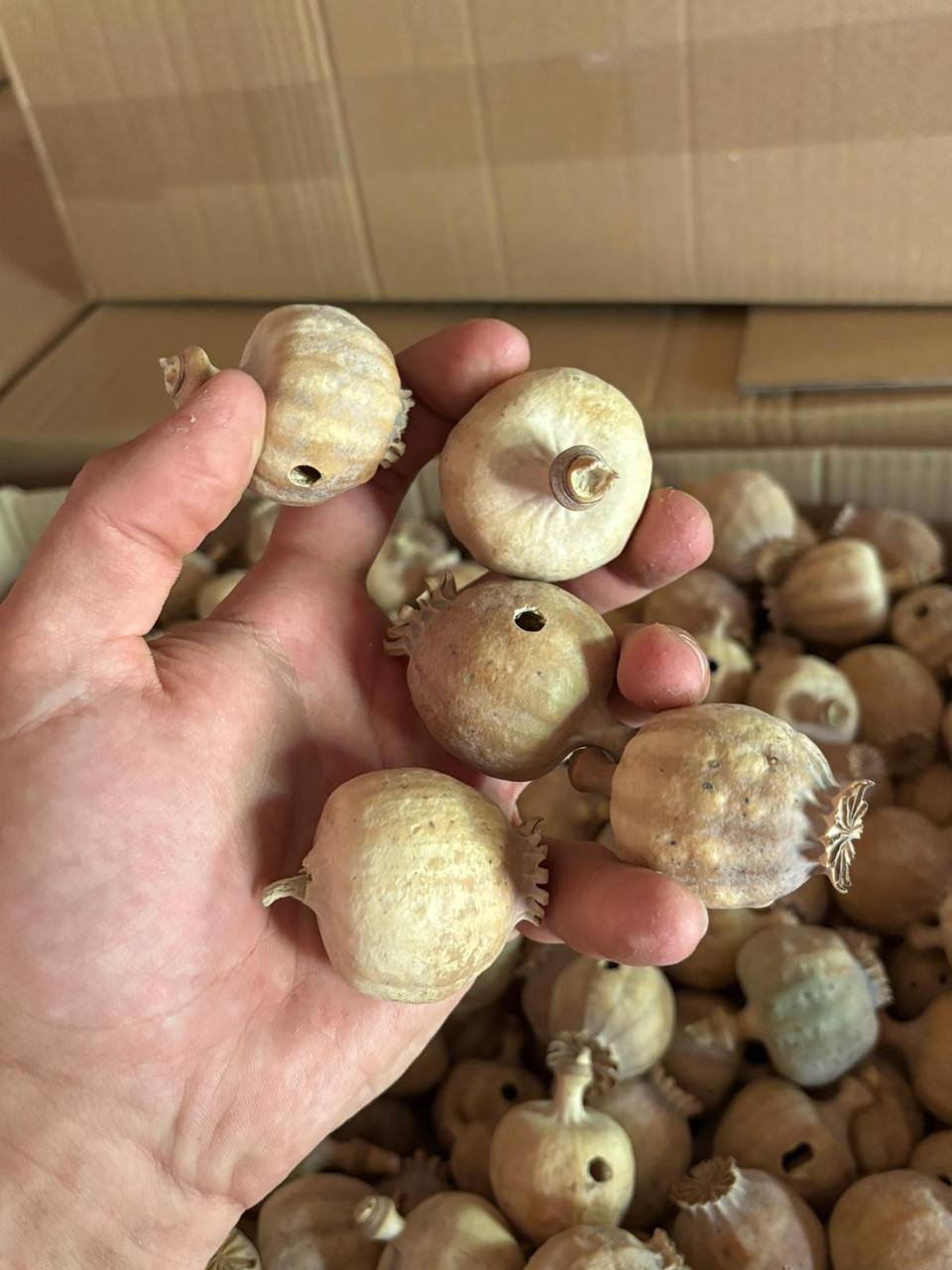
7. Poppy Heads (Dried Poppy Seed Pods)
Dried poppy heads bring architectural interest and textural contrast. Their firm, rounded form and ridged crowns create visual weight that balances softer, airier materials. They work particularly well in more structured or modern wreaths and pair beautifully with grasses and eucalyptus.
8. Wheat, Ornamental Grasses & Seed Heads
Wheat stems, oats, and various ornamental grasses add movement and a natural, rustic feel. Seed heads such as nigella (love-in-a-mist) or allium provide additional structure and interest. These materials are lightweight and help fill gaps while keeping the overall look organic.
9. Additional Strong Performers
- Yarrow – Sturdy flat heads that dry well and add useful structure
- Celosia – Unique texture and good colour retention in both plume and crested forms
- Baby’s Breath (Gypsophila) – Creates an airy, soft filler effect
- Rosemary – Excellent longevity and a pleasant scent; useful for more traditional or evergreen-style bases
Practical Tips for Choosing and Using Dried Flowers in Wreaths
Prioritise structure and colour fastness
The best dried flowers for wreaths are those that remain firm and hold pigment well. Avoid high-moisture flowers that collapse or shed easily once dried.
Balance weight and texture
Combine heavier elements (hydrangea clusters, larger poppy heads, or strawflowers) with lighter fillers (grasses, statice, baby’s breath) so the wreath does not become top-heavy or sparse.
Consider the base
A sturdy grapevine, willow, or straw base works well with dried materials. Wire stems securely and work in sections so the design stays balanced as you build.
Think about placement and longevity
Indoor wreaths last longest when kept away from direct sunlight and high humidity. For outdoor or semi-exposed locations, choose the most robust options such as strawflowers, statice, eucalyptus, and rosemary.
Mix for visual interest
The most successful dried flower wreaths usually combine three to five different textures and forms rather than relying on a single type of bloom.
Final Thoughts
The best dried flowers for wreaths share common qualities: they hold their shape, retain colour reasonably well, and are firm enough to wire or attach securely. Strawflowers, lavender, statice, eucalyptus, and hydrangea form a reliable core group, while poppy heads, gomphrena, and ornamental grasses add character and balance.
Start with a strong structural base of eucalyptus or grasses, add focal points with strawflowers or hydrangea, and finish with finer details such as lavender or gomphrena. With the right selection and careful construction, a dried flower wreath can remain attractive for many months and become a lasting part of your seasonal décor.