
English Poppy Flower: Complete Growing Guide, History & Symbolism
The English poppy flower is one of the most recognizable and emotionally charged blooms in the plant kingdom. With its vibrant scarlet petals and delicate paper-thin texture, the English poppy flower (Papaver rhoeas) has captured imaginations for centuries. Whether you know it as the common poppy, corn poppy, field poppy, or Flanders poppy, this annual wildflower continues to thrive in gardens, meadows, and remembrance ceremonies around the world.
This comprehensive guide covers everything you need to know about the English poppy flower — from its botanical features and cultural history to practical growing advice, varieties, and symbolism. By the end, you’ll understand why this simple yet powerful flower remains a favorite among gardeners and nature lovers alike.
What Is the English Poppy Flower?
The English poppy flower belongs to the Papaveraceae family and is scientifically known as Papaver rhoeas. It is a hardy annual native to Europe, North Africa, and parts of Asia, though it has naturalized widely across temperate regions, including North America and Australia.
Unlike the opium poppy (Papaver somniferum), the English poppy flower contains only trace amounts of alkaloids and is not used for narcotic production. Its pure, bright red petals with a distinctive black blotch at the base make it instantly identifiable. The flowers typically measure 5–10 cm across and sit atop slender, hairy stems that reach 30–90 cm in height.
English poppies are true annuals. They complete their life cycle in a single growing season, germinating in spring or autumn, flowering in summer, and setting seed before dying. This self-seeding habit allows them to return year after year when conditions are right, creating carpets of color in the right environment.
Botanical Characteristics of the English Poppy Flower
Understanding the physical traits of the English poppy flower helps gardeners identify it correctly and provide the right growing conditions.
- Flowers: Four overlapping, silky red petals surrounding a dark central boss of stamens. Occasional white or pink forms appear in the wild and in cultivated selections.
- Leaves: Soft, deeply lobed, and light green with a slightly hairy texture. They form a basal rosette before the flowering stems emerge.
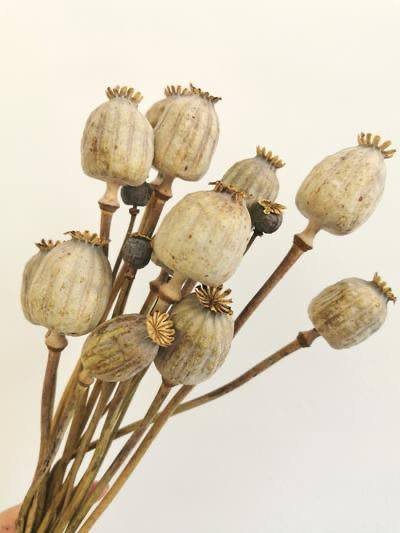
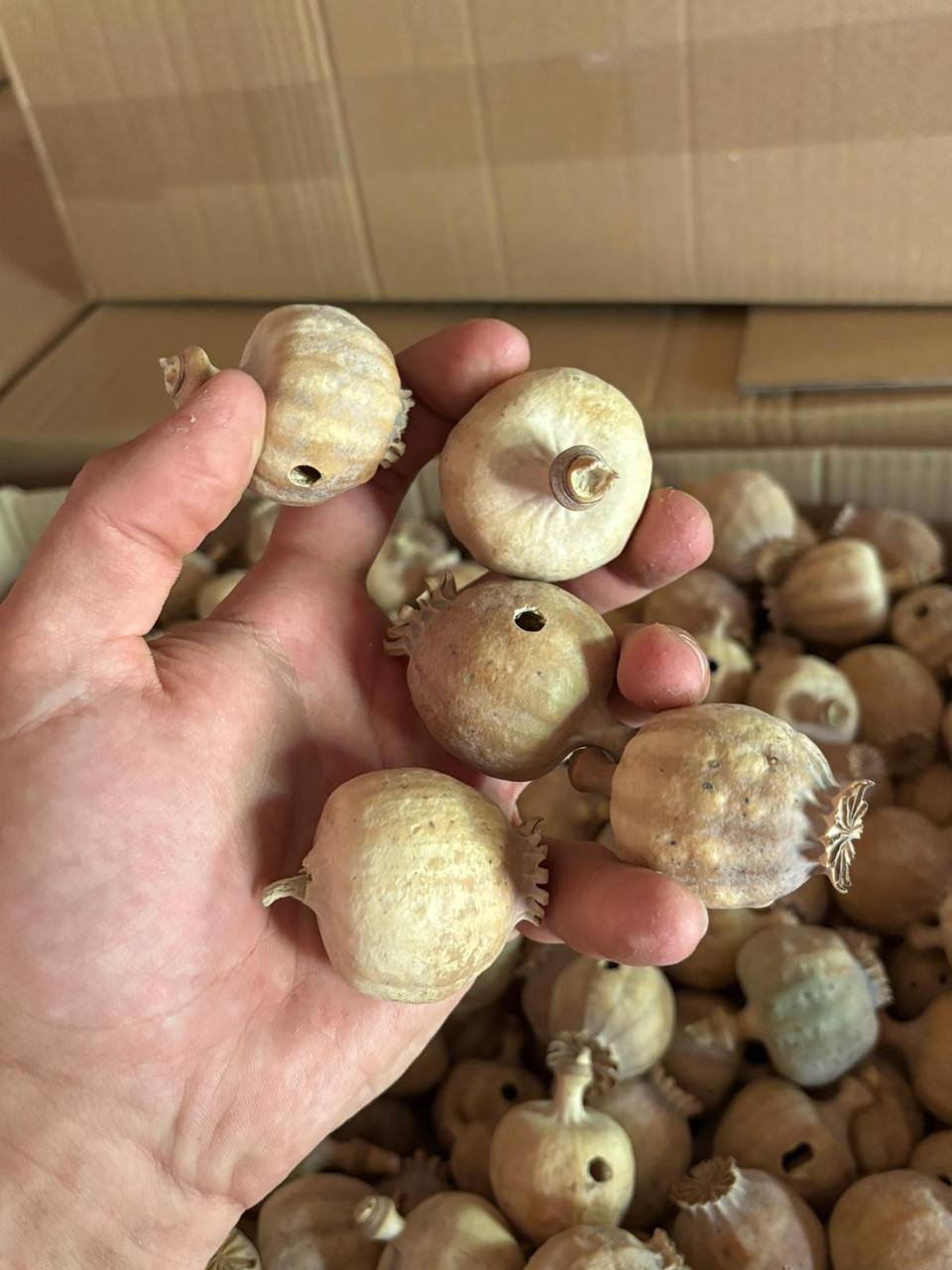
- Seed pods: Distinctive pepper-pot capsules that release hundreds of tiny black seeds when ripe. These pods are often used in dried flower arrangements.
- Growth habit: Upright and somewhat delicate. Stems can be brittle in strong winds, so sheltered positions work best.
The English poppy flower is highly attractive to bees, hoverflies, and other pollinators. Its open, accessible flower structure makes it an excellent addition to wildlife-friendly gardens.
History and Cultural Significance of the English Poppy Flower
Few flowers carry the emotional weight of the English poppy flower. Its association with remembrance began during the First World War. After the fighting devastated the fields of Flanders and northern France, the English poppy flower was one of the first plants to reappear in the churned, nutrient-rich soil. Its bright red blooms stood out against the bleak landscape and became a powerful symbol of both loss and resilience.
In 1915, Canadian physician Lieutenant Colonel John McCrae wrote the poem “In Flanders Fields,” which immortalized the flower:
“In Flanders fields the poppies blow
Between the crosses, row on row…”
The poem inspired the adoption of the red poppy as a symbol of remembrance. Today, artificial English poppy flowers are worn each year on Remembrance Day (November 11) in the United Kingdom, Canada, Australia, New Zealand, and many other Commonwealth countries. The Royal British Legion’s Poppy Appeal continues this tradition, raising funds for veterans while keeping the flower’s meaning alive.
Beyond wartime symbolism, the English poppy flower has appeared in art, literature, and folklore for centuries. Medieval herbalists used it for mild sedative and pain-relieving purposes (though modern gardeners should note that any medicinal use requires professional guidance). In rural traditions it was sometimes linked to fertility and the spirit of the cornfields.
How to Grow English Poppy Flowers Successfully
Growing the English poppy flower is straightforward when you respect its natural preferences. These plants thrive on neglect more than intensive care.
Best growing conditions
English poppies prefer full sun and well-drained soil. They tolerate poor, sandy, or chalky soils better than rich, heavy clay. Overly fertile ground often produces lush foliage but fewer flowers. A slightly alkaline to neutral pH works well.
When and how to sow
The most reliable method is direct sowing outdoors. Seeds can be sown in autumn (September–October) for earlier flowers the following year, or in spring (March–May). Autumn sowing often produces stronger plants in milder climates.
Scatter seeds thinly on the soil surface and press them in lightly. Do not cover them deeply — English poppy flower seeds need light to germinate. Keep the soil just moist until seedlings appear, which usually takes 7–14 days in warm conditions.
Thinning and spacing
Once seedlings reach a few centimeters, thin them to 15–20 cm apart. Crowded plants produce weaker stems and fewer blooms.
Watering and feeding
Water regularly only during prolonged dry spells. Established plants are relatively drought-tolerant. Avoid high-nitrogen fertilizers, which encourage leafy growth at the expense of flowers. A light application of balanced organic fertilizer in spring is usually sufficient.
Supporting stems
In exposed gardens, taller varieties may benefit from light staking or being planted among other perennials that offer mutual support.
Deadheading and seed saving
Removing spent blooms encourages more flowers. Leave some seed pods to mature if you want the plants to self-sow for the following year. Collect dry pods and store the seeds in a cool, dry place for future sowing.
Popular Varieties of English Poppy Flower
While the classic wild form remains the most iconic, several cultivated varieties offer different colors and forms:
- ‘Shirley’ series — Developed in the late 19th century, these feature softer pinks, whites, and bicolors with frilled edges.
- ‘American Legion’ — A bright red selection often used in remembrance plantings.
- ‘Mother of Pearl’ — Soft pastel shades including lilac, grey-pink, and white.
- ‘Angel’s Choir’ — A mix of semi-double and single flowers in a range of colors.
- Double-flowered forms such as ‘Paeony Flowered’ offer fuller blooms for cutting gardens.
Many of these retain the same easy-growing nature as the original English poppy flower while providing greater color variety for modern borders.
Uses of the English Poppy Flower in the Garden and Beyond
The English poppy flower is primarily grown as an ornamental plant. It performs beautifully in cottage gardens, wildflower meadows, gravel gardens, and mixed borders. Its short flowering season (typically June to August) makes it an excellent companion for later-blooming perennials such as echinacea, rudbeckia, and ornamental grasses.
Cut flowers last only a day or two, so they are best enjoyed outdoors or used immediately in simple arrangements. The distinctive seed heads, however, dry well and add structure to everlasting bouquets.
In wildlife gardening, the English poppy flower supports pollinators and provides seed for birds once the pods open. Its ability to colonize disturbed soil also makes it useful for naturalizing on banks, paths, and newly cleared ground.
Symbolism and Meaning of the English Poppy Flower
Today the English poppy flower most strongly represents remembrance, sacrifice, and hope. Its temporary nature — blooming brightly and then fading — mirrors the fragility of life. In broader floral symbolism it can also stand for imagination, consolation, and peaceful sleep.
Because of its strong association with wartime remembrance, many people plant English poppies specifically as a living memorial. A small patch of red flowers in a garden or community space can serve as a quiet annual tribute.
Common Problems When Growing English Poppies
English poppies are generally trouble-free. The most common issues include:
- Damping off in seedlings if the soil stays too wet.
- Aphids on young growth (usually controlled by natural predators).
- Stem breakage in windy sites.
- Poor flowering in overly rich or shaded conditions.
Powdery mildew can appear in humid weather toward the end of the season, but it rarely causes serious damage. Good air circulation and avoiding overhead watering help prevent most fungal problems.
Final Thoughts on the English Poppy Flower
The English poppy flower remains one of the most accessible and meaningful plants a gardener can grow. Its vivid color, simple beauty, and deep cultural resonance make it far more than just another annual. Whether you sow a handful of seeds in a sunny border, create a small remembrance planting, or allow it to naturalize in a wild corner of the garden, the English poppy flower rewards minimal effort with maximum impact.
With the right conditions — full sun, free-draining soil, and a light touch — you can enjoy drifts of these classic blooms year after year. Start with a packet of seeds this season and experience why the English poppy flower has held a special place in gardens and hearts for generations.
Plant them, watch them dance in the summer breeze, and remember the quiet power of a single red flower.