
Papaver Rhoeas vs Papaver Somniferum: Legal Comparison
Introduction
Two species often confused in gardening and herbal discussions are Papaver rhoeas and Papaver somniferum. While both belong to the poppy family, their legal status differs significantly across countries. Understanding these differences is crucial before growing, selling, or purchasing seeds and plants.
This guide compares the two species, their characteristics, and how laws treat them globally.
Key Differences Between Papaver Rhoeas and Papaver Somniferum
Botanical Characteristics
Papaver rhoeas, commonly called the Corn Poppy or Flanders Poppy, produces bright red flowers and is widely grown as an ornamental plant. It contains minimal alkaloids and is not used for opiate production.
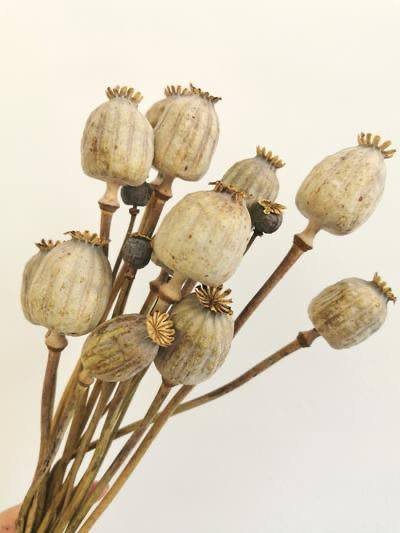
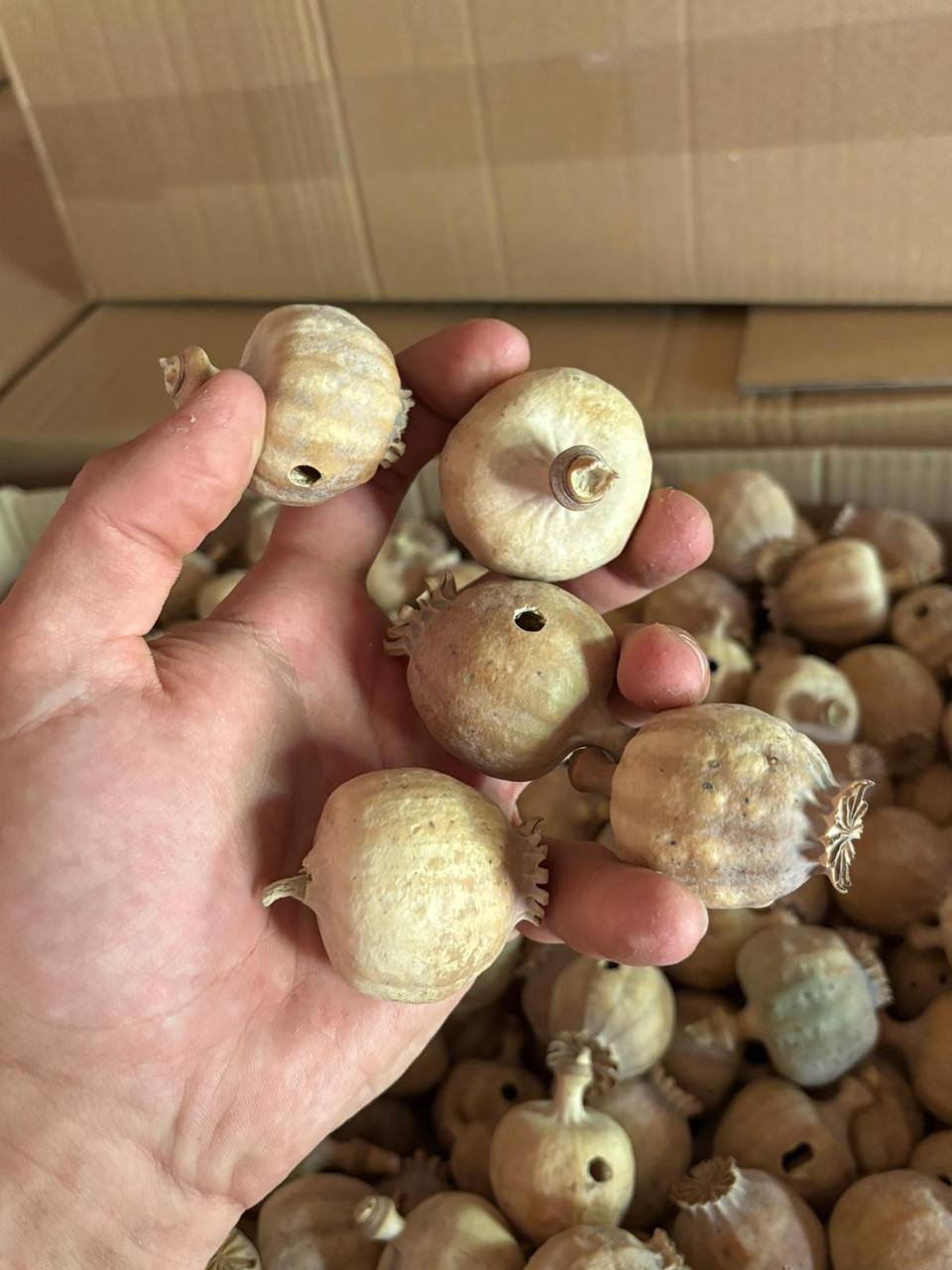
Papaver somniferum, known as the Opium Poppy or Breadseed Poppy, has larger flowers in various colors and produces seed pods with higher alkaloid content. It’s the species from which opium, morphine, and codeine are derived.
Common Uses
- Papaver rhoeas: Ornamental gardens, wildflower meadows, culinary garnish, and traditional herbal teas in some cultures.
- Papaver somniferum: Ornamental use, culinary seeds for baking, and pharmaceutical opiate production under regulated conditions.
Legal Status Comparison
United States
- Papaver rhoeas: Legal to grow, sell, and possess. It’s sold openly as ornamental seed by retailers like Johnny’s Selected Seeds.
- Papaver somniferum: Legal to grow as an ornamental plant in most states, but harvesting the sap or processing the pods is illegal under the Controlled Substances Act. The DEA considers the plant a Schedule II source material. Selling seeds is legal, but marketing them for opiate extraction is prohibited.
United Kingdom
- Papaver rhoeas: Legal and unrestricted.
- Papaver somniferum: Growing the plant is not illegal, but possessing the pods or extracting alkaloids falls under the Misuse of Drugs Act 1971. UK sellers often label seeds “for culinary use only.”
European Union & Australia
Most EU countries allow Papaver rhoeas without restriction. For Papaver somniferum, laws vary: ornamental growing is often tolerated, but cultivation for drug production is a criminal offense. Australia classifies it as a prohibited plant under state drug laws.
Disclaimer: Laws change frequently and vary by state, province, and municipality. This article is for informational purposes only and does not constitute legal advice. Check local regulations before planting or purchasing.
Why the Legal Distinction Matters
The difference comes down to alkaloid content. Papaver somniferum contains morphine and codeine in its latex, making it regulated in many jurisdictions. Papaver rhoeas lacks significant alkaloids, so it’s treated like any other ornamental flower.
If you’re a gardener or seed seller, clear labeling and compliance with local laws help avoid legal issues.
Internal & External Resources
External links: