
Dried Poppy Heads: The Complete Guide to Using These Sculptural Beauties in Home Decor and Floral Design
Dried poppy heads have become one of the most sought-after elements in modern dried flower arrangements and natural home styling. Their distinctive rounded form, ridged crown, and muted earthy tones give arrangements structure, texture, and quiet drama that few other botanicals can match. Whether you are a florist, wedding stylist, interior designer, or home decorator looking for long-lasting natural accents, understanding how to choose and style poppy heads can transform ordinary displays into something memorable.
This guide covers everything you need to know about dried poppy heads — what they are, why they work so well in decor, creative ways to use them, care tips, and what to look for when buying.
What Exactly Are Poppy Heads?
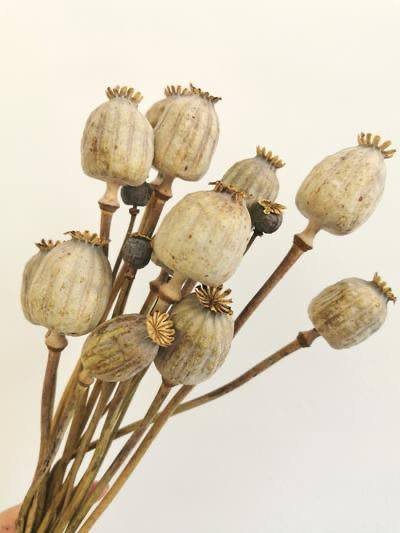
Poppy heads are the mature seed capsules of the poppy plant, most commonly from Papaver somniferum (the breadseed or opium poppy) grown for ornamental purposes. After the petals fall, the green seed pod develops into a firm, woody capsule topped with a star-shaped or ridged “crown.” When carefully harvested and air-dried, these pods retain their sculptural shape and develop soft shades of tan, beige, slate blue-grey, and soft brown.
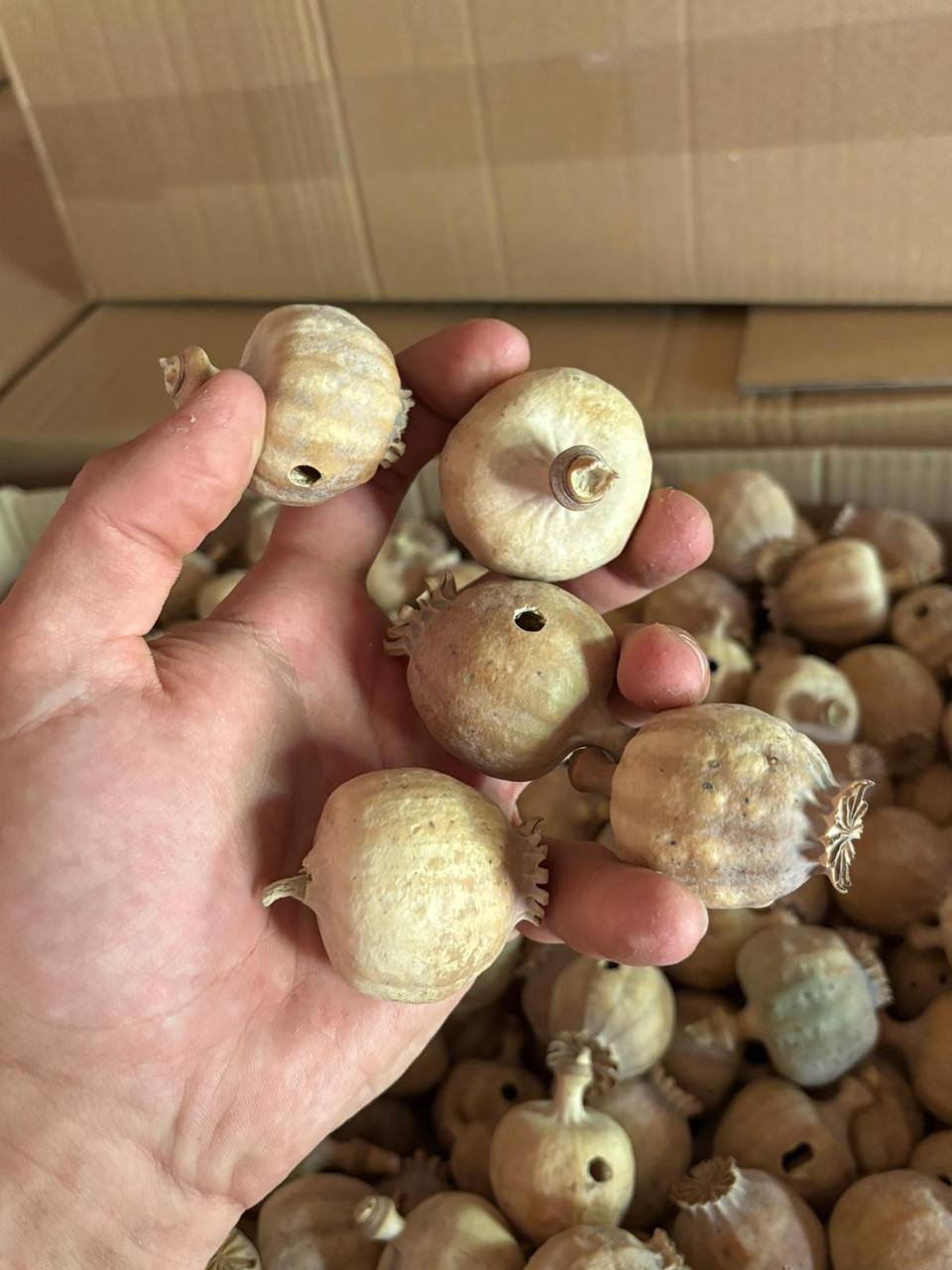
The natural variation in size and colour is part of their appeal. Smaller heads (roughly 1.5–3 cm) work beautifully in delicate wreaths and detailed crafts, while larger and giant heads (3–6 cm) create bold focal points in floor vases and architectural arrangements. Because they are fully dried, they require no water and last for years when kept in the right conditions.
Why Dried Poppy Heads Stand Out in Decor
Several qualities make dried poppy heads especially valuable for both professional and home use:
- Strong visual structure — Their solid, rounded form provides weight and balance against softer, airy elements such as pampas grass, dried grasses, or eucalyptus.
- Long lifespan — Properly dried heads can last many months or even years with minimal maintenance.
- Neutral, versatile colour palette — Soft earth tones blend easily with rustic, modern, Scandinavian, bohemian, and minimalist interiors.
- Textural contrast — The smooth body and ridged crown create interesting light and shadow.
- Sustainability — They are a natural, low-waste alternative to fresh flowers that need frequent replacement.
These characteristics explain why florists and interior stylists increasingly reach for dried poppy heads when designing arrangements that need to look good for weeks or months.
Creative Ways to Style Dried Poppy Heads
1. Simple Vase Arrangements and Centerpieces
One of the most effective ways to showcase poppy heads is also the simplest. Place an odd number of stems (three, five, or seven) of varying heights in a tall, narrow-necked vase or ceramic jug. The clean silhouette lets the sculptural form of the heads take centre stage. For a richer look, mix different sizes or combine them with dried reeds, wheat, or tall grasses.
2. Wreaths and Seasonal Displays
Smaller poppy heads are ideal for wiring into wreaths. Their lightweight nature means they will not pull the base out of shape. They work especially well in autumn and winter wreaths, adding structure among dried foliage, berries, or cinnamon sticks. Larger heads can be used sparingly as focal points on larger door wreaths or hanging installations.
3. Wedding and Event Styling
Dried poppy heads suit rustic, bohemian, and modern wedding themes. Use them in bridal bouquets for texture, in table centrepieces for height and interest, or scattered along tables as natural place accents. Because they do not wilt, they are practical for multi-day events and can often be reused or given as keepsakes.
4. Home Decor Accents
Beyond formal arrangements, dried poppy heads work beautifully as everyday accents:
- Clustered on a tray with candles and books
- Displayed under a glass cloche with other botanicals
- Mounted in shadow boxes as simple wall art
- Used as table scatter or napkin accents for dinner parties
5. Craft and DIY Projects
Crafters value poppy heads for their unique shape. They can be painted metallic for festive decorations, incorporated into mixed-media art, or used in potpourri blends for visual interest. The sturdy stems make them easy to secure in foam or wire bases.
How to Care for and Store Dried Poppy Heads
Dried poppy heads are low maintenance, but a few simple practices keep them looking their best:
- Keep them away from direct sunlight, which can fade colours over time.
- Avoid high humidity or damp areas, as moisture can cause mould or warping.
- Dust gently with a soft brush or low-suction vacuum attachment when needed.
- Store unused stems upright in a dry, cool place or in a sealed container with a desiccant pack if storing long-term.
When handled carefully by the stem rather than the head, they remain intact for years.
What to Look for When Buying Dried Poppy Heads
Quality varies between suppliers. Look for these characteristics:
- Firm, fully dried capsules with intact crowns
- Natural colour variation rather than uniform artificial dyeing (unless you specifically want dyed stems)
- Clean stems free from excessive dust or debris
- Consistent sizing within the grade you choose (small, medium, large, or giant)
- Reputable sellers who specialise in dried botanicals and provide clear product descriptions
Buying from specialists in dried flowers usually yields better results than generic marketplaces, especially if you need reliable colour and structure for professional work.
Bringing Natural Structure into Your Space
Dried poppy heads offer something rare in floral design: lasting architectural form combined with organic softness. Their quiet presence works equally well in a minimalist apartment, a rustic farmhouse, or a contemporary event space. Once you start using them, you quickly discover how much structure and character a few well-placed stems can add.
Whether you are creating a simple statement vase, designing a full wedding installation, or experimenting with seasonal crafts, dried poppy heads reward thoughtful styling with beauty that endures long after fresh flowers have faded.
If you are ready to incorporate these sculptural botanicals into your next project, start with a small selection of mixed sizes. Observe how they interact with light and other materials in your space — then build from there. The results are often more striking, and longer lasting, than you expect.